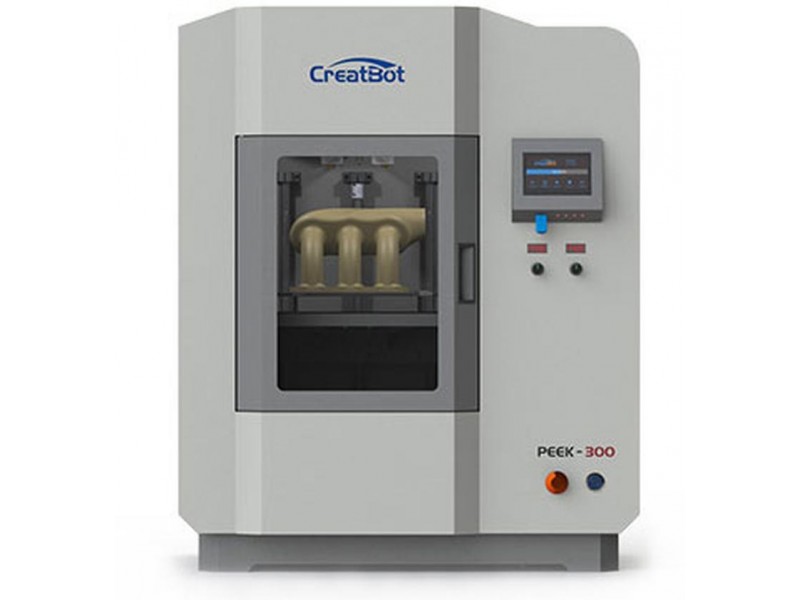
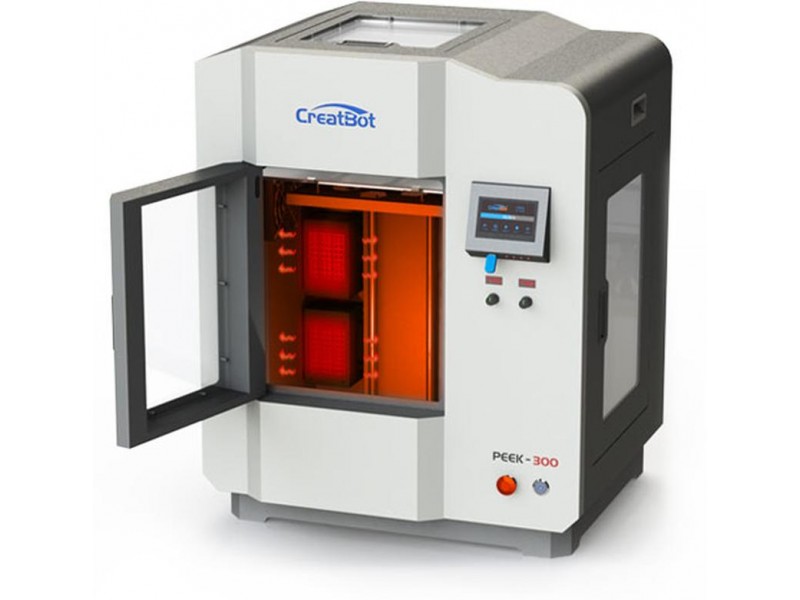
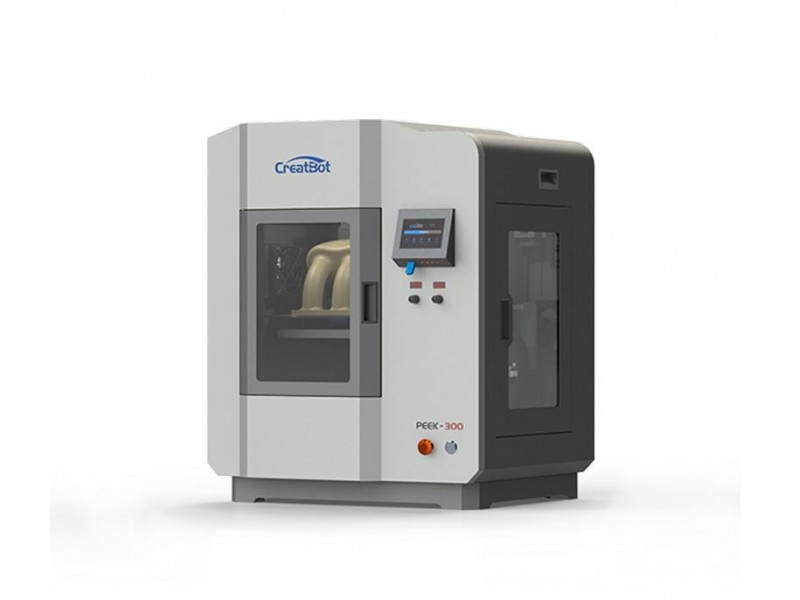
La Creatbot PEEK-300 es una impresora 3D industrial FDM diseñada para imprimir con materiales de calidad profesional, como PEEK y Ultem. Está equipada con componentes de ingeniería capaces de soportar altas temperaturas de impresión. En concreto, esta impresora 3D de doble extrusor cuenta con boquillas de temperatura ultra alta (500 °C), una cámara de impresión caliente, un lecho de impresión calentado y motores, raíles y correas resistentes a altas temperaturas. Por eso garantiza un rendimiento duradero y fiable a lo largo del tiempo. A pesar de sus avanzadas características, se vende a un precio asequible para casi cualquier empresa y organización.
La Creatbot PEEK-300 cuenta con una tecnología de termoendurecimiento controlado de última generación y un eficaz sistema de refrigeración por agua, que se basa tanto en la refrigeración por líquido circulante como en la refrigeración por bomba de aire. Cuenta con un triple sistema de aislamiento térmico compuesto por una doble cámara de aislamiento, materiales aislantes y placas de PC dobles al vacío. El sistema de recocido directo (DAS) patentado y de desarrollo propio permite controlar el proceso de recocido sobre la marcha. Minimiza los problemas de deformación y agrietamiento, en particular cuando se imprimen piezas funcionales de gran tamaño. La temperatura de recocido directo oscila entre 0 y 400 °C. La impresora también incluye un sistema de recuperación de energía, un sensor de detección de agotamiento del filamento y un interruptor de parada de emergencia.
Ideal para la fabricación avanzada y la investigación en aplicaciones médicas, de automoción, aeroespaciales y militares, cuenta con el respaldo de líderes del sector, como el Grupo Volkswagen, Bosch, la Universidad de Oxford y la NASA. Siga leyendo para profundizar en el tema.
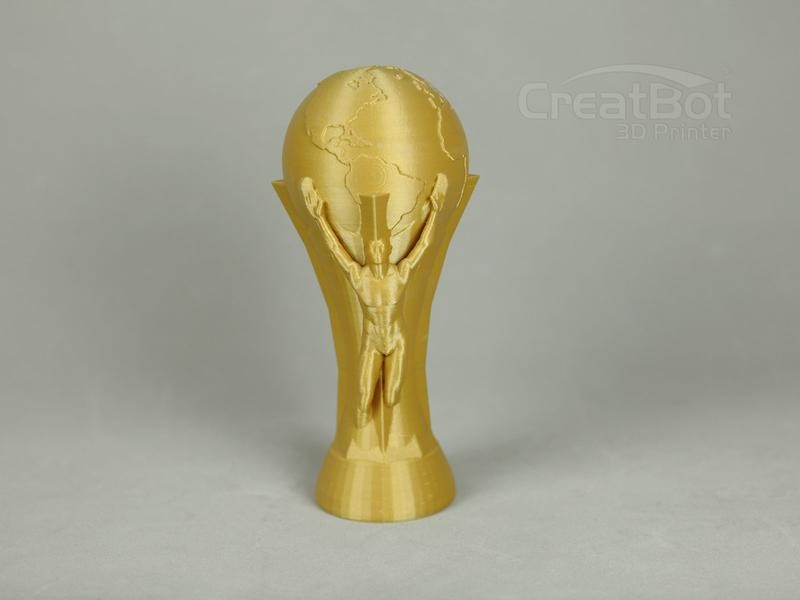
Gracias a su tecnología DAS patentada, la Creatbot PEEK-300 ofrece impresiones de alta calidad con superficies lisas y detalles finos.
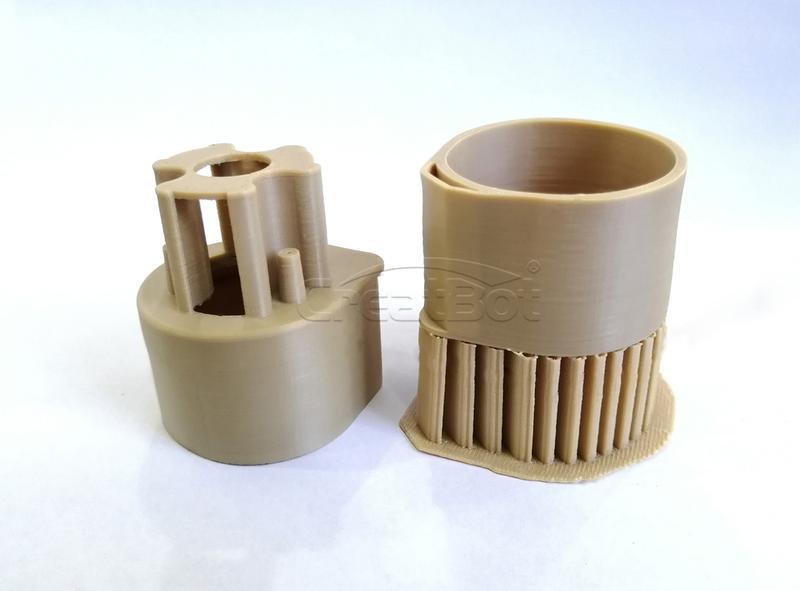
Fíjese en lo preciso y bien definido que es el modelo que se muestra a continuación. Muestra bordes limpios y una gran estabilidad dimensional.
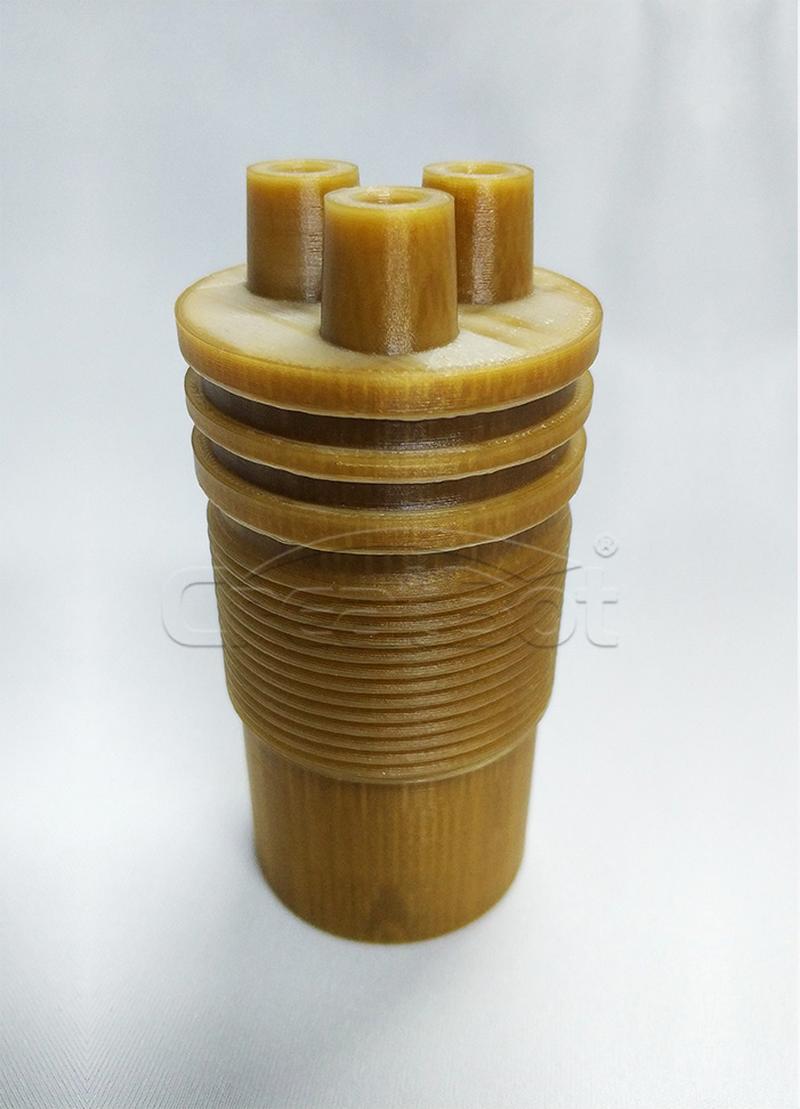
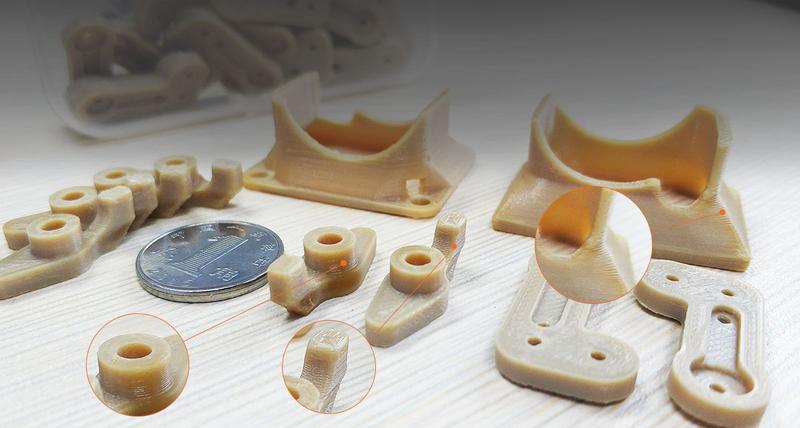
La Creatbot PEEK-300 es una impresora 3D FDM de gran escala que puede imprimir capas a 40 micras, una gran resolución para un material de alto rendimiento. Gracias a un equilibrio perfecto entre temperatura de impresión y refrigeración, permite producir piezas con superficies exteriores lisas y detalles minúsculos.
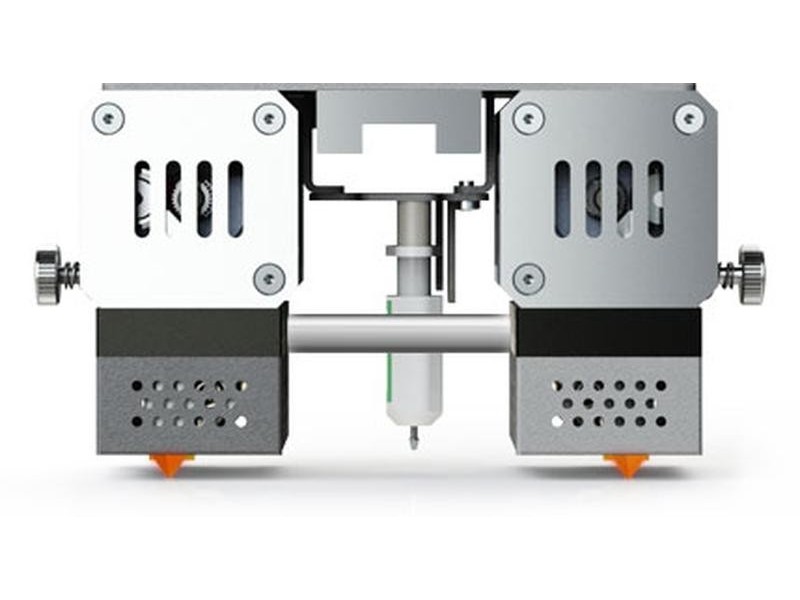
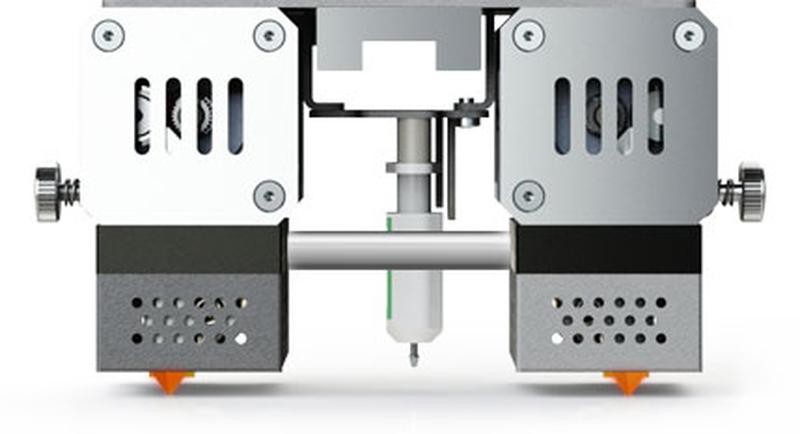
La Creatbot PEEK-300 viene de serie con dos boquillas de 0,4 mm, que le ofrecen el mejor equilibrio entre velocidad y detalle. Las boquillas se calientan hasta 500°C. La impresora también admite boquillas adicionales de entre 0,3 y 1,0 mm de diámetro.
El cuerpo de la impresora es totalmente de acero. El cabezal de impresión se desplaza sobre raíles lineales. Esto hace que la impresión sea fiable, rápida y precisa.
Creatbot PEEK-300 puede imprimir tanto con filamentos de grado de ingeniería como con materiales de alta temperatura y ultra rendimiento. Puede procesar ABS, PLA, TPU, PETG, PA6, PVDF, TPU, PPSU, PEI (ULTEM), PA12, PSU, PPS, PA-CF, POM, PP, PEEK, PEEK, PEKK, CF-PEEK (fibra de carbono), GF-PEEK (fibra de vidrio) y otros materiales.
La impresora viene con un sistema de extrusor doble con hotends de alta temperatura (500°C). Dispone de un eficaz sistema de refrigeración por agua para imprimir con materiales sensibles a la temperatura. Al enfriar el modelo, se reduce el alabeo, el encordado y, en general, se consiguen impresiones de mayor calidad.
CreatBot PEEK-300 cuenta con una cama caliente y una cámara caliente totalmente cerrada. La cama caliente se calienta hasta 200 °C, lo que reduce el riesgo de deformación al imprimir modelos grandes. La cámara caliente alcanza hasta 120 °C. Mantiene la temperatura de impresión constante para impresiones sin grietas.
La Creatbot PEEK-300 es una plataforma abierta que puede imprimir con cualquier filamento de 1,75 mm. Esto le proporciona una amplia flexibilidad de diseño y elección de materiales.
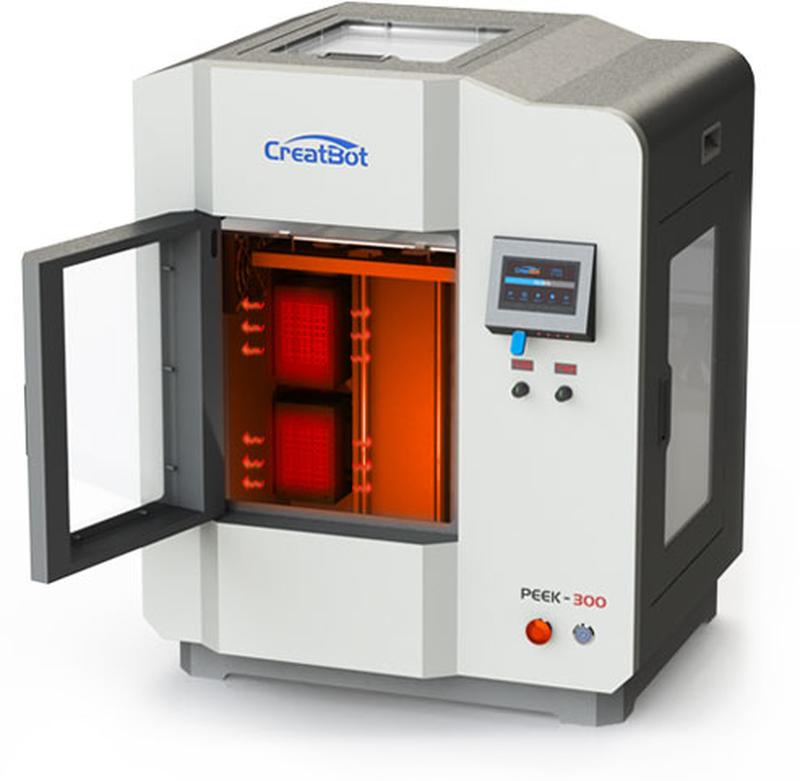
El área de impresión de 300 x 300 x 400 mm (11,8 x 11,8 x 15,7 pulgadas) permite imprimir piezas grandes de una sola vez.
La máquina puede manejarse a través de la pantalla táctil a todo color de 4,3 pulgadas con interfaz multilingüe.
Los modelos 3D pueden imprimirse fácilmente desde un ordenador conectado por USB o mediante un disco USB.
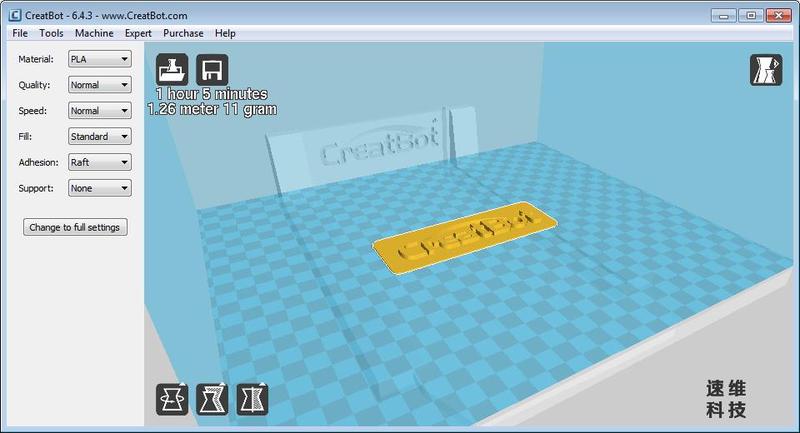
La impresora incluye el software de impresión 3D multilingüe CreatWare. Es compatible con los tipos de archivo STL, OBJ, Gcode y AMF. Funciona con Windows (7, 8, 10) y Linux. La impresora también es compatible con los programas Simplify3D, Cura y Slic3r.
Para algunos artículos, el contenido del paquete puede cambiar. Si tiene alguna duda, póngase en contacto con nosotros.
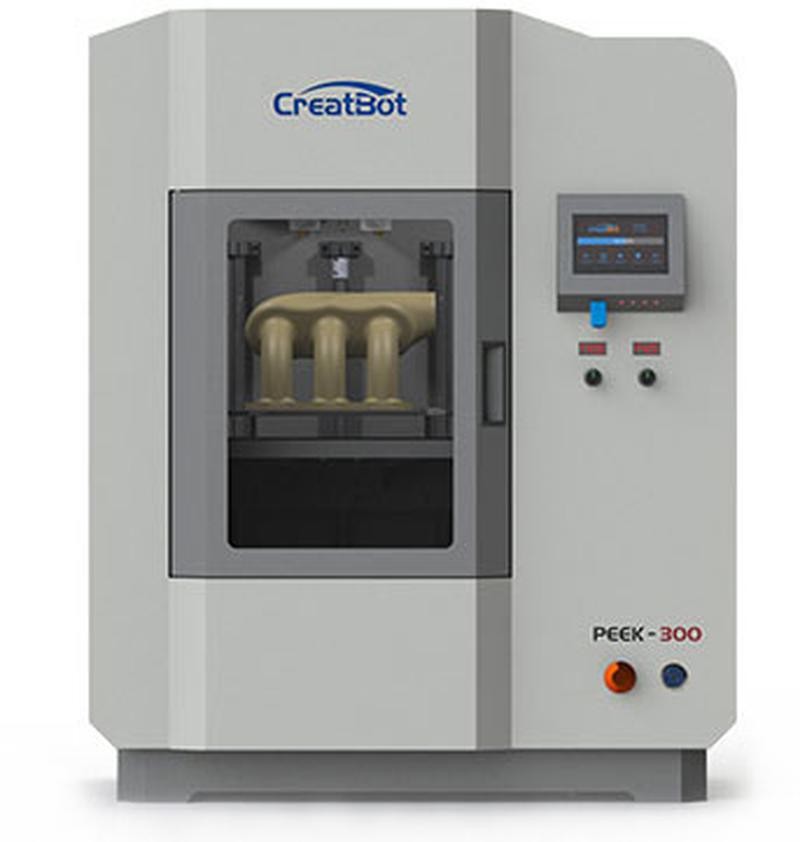
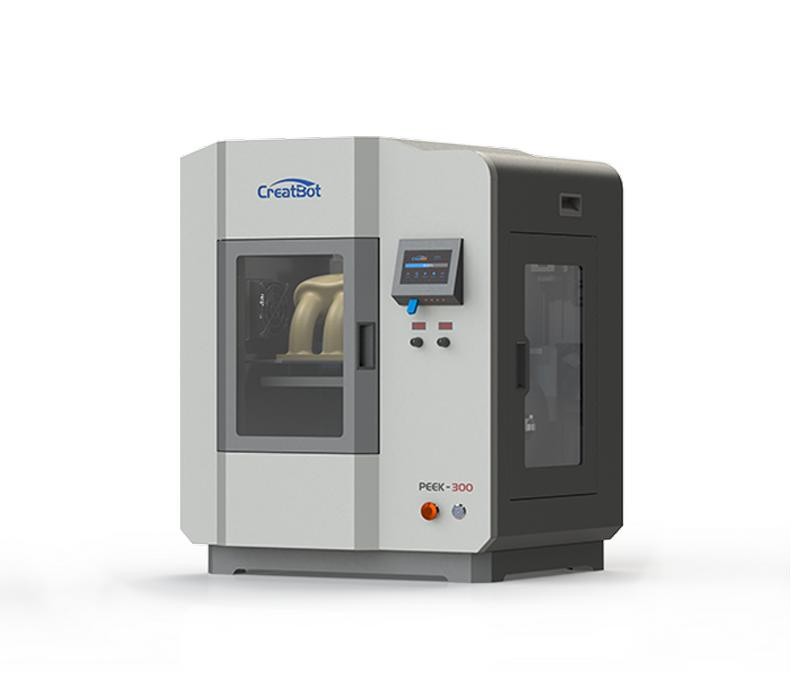
Creatbot PEEK-300 está disponible en un diseño de escala de grises. Su elegante aspecto la hace ideal para aplicaciones industriales y médicas de alto rendimiento.
La impresora tiene unas dimensiones de 650 x 600 x 750 mm (25,6 x 23,6 x 29,5 pulgadas). Pesa 100 kg (220,5 lb). Los portacarretes están montados en el interior.
Para conocer el precio actual de la impresora 3D, haz clic en el botón "Solicitar presupuesto" y rellena el formulario. Nos pondremos en contacto contigo lo antes posible y te enviaremos todos los detalles.
Los manuales de usuario actualizados y la política de garantía pueden consultarse en http://creatbot3d.com/.
Update your browser to view this website correctly. Update my browser now